
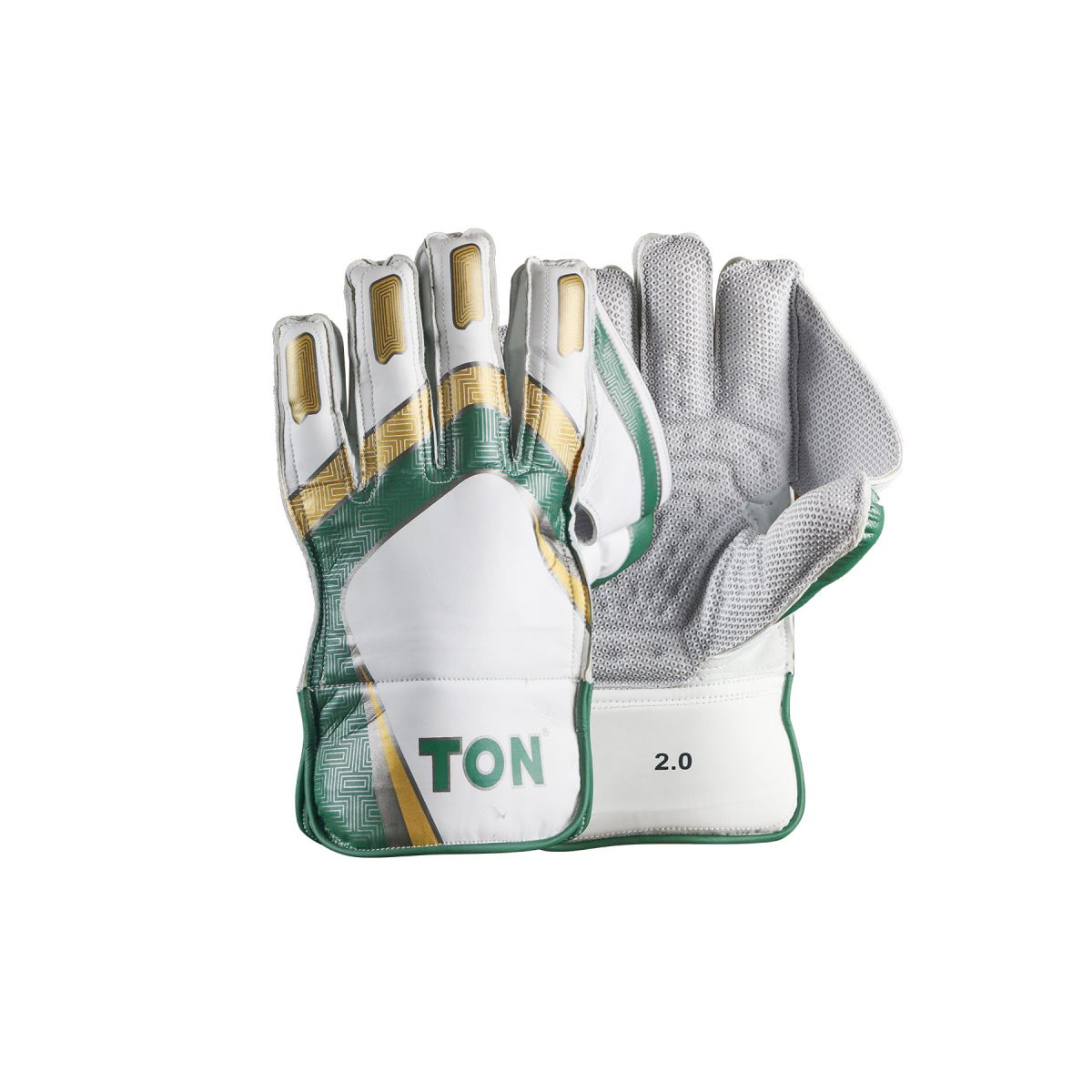

The wicket keeper touches the ball more than anyone else on the field, so the gloves matter more than most players realise. A keeper who cannot trust their gloves drops catches, fumbles stumpings, and ends the day with sore hands. Whether you are keeping for a weekend club in Brampton, a school team in the GTA, or a tournament side, here is how to pick gloves that protect your hands and help you take the chances that come your way.
Fit Comes First
Wicket keeping gloves should fit snug, with your fingers reaching right to the ends of the glove fingers and no loose material bunching in the palm. Too big, and the ball will slip out of a loose webbing; too small, and your fingers will jam on every fast delivery. Try the gloves on with your inner gloves if you wear them, and close your hand into a catching shape — the glove should move with your hand, not against it. For juniors, buy the size that fits now rather than a size to grow into: a glove that is a size too big costs you catches all season.
The Webbing: Your Catching Pocket
The webbing between thumb and index finger is what makes a keeping glove different from a batting glove. It forms a pocket that traps the ball and stops it popping out on impact. Check that the webbing is deep enough to hold the ball but not so stiff that it will not close around it. Good webbing is flexible from the first use and gets better as it breaks in. If the webbing feels like cardboard, the gloves will need a few sessions of catching practice before they are match-ready.
Padding and Protection
Keeping means taking the ball at full pace, often standing up to the stumps, so padding matters. Look for thick, well-distributed padding across the fingers and palm, with extra protection on the thumb and the little finger — the two that take the worst knocks. The padding should absorb impact without making the glove feel like a brick. Leather palms give the best grip and durability; cheaper synthetic palms wear smooth faster and can make the ball slip, especially in the damp conditions Canadian keepers know well.
Durability in Canadian Conditions
Cricket in Canada means hard outfields, cold mornings, and the occasional damp wicket, all of which punish gloves. Strong stitching around the fingers and webbing is the first thing to check — a glove that splits at the seam after a month is no bargain. Leather gloves last longer than synthetic ones and can be re-oiled to keep the leather supple, the same way you care for a cricket bat. After each game, air your gloves out rather than leaving them zipped in your kit bag, and they will stay in shape for far more seasons.
Inner Gloves Make a Difference
Most keepers wear thin inner gloves under their keeping gloves. Inners stop chafing, soak up sweat, and add a little extra cushioning on fast balls. If you have never worn them, try a pair — they make a long day behind the stumps far more comfortable, and they protect the inside of your keeping gloves from sweat, which extends their life. Keep a spare pair in your kit bag so a wet or torn inner never leaves you keeping bare-handed.
What to Check Before You Buy
Before you buy wicket keeping gloves, check four things. First, the fit — snug, with fingers to the ends. Second, the webbing — deep, flexible, and well stitched. Third, the padding — thick across the fingers and palm without killing feel. Fourth, the build — strong seams and a leather palm if you want them to last. Buy from a supplier who keeps wicket and can talk you through the sizes, rather than guessing from a photo online.
Where to Buy Wicket Keeping Gloves in Brampton & the GTA
When you are buying wicket keeping gloves in Brampton or the GTA, buy from a local cricket supplier where you can try the gloves on, check the webbing and padding in hand, and get advice on the right size for your game. Buying locally also means you can pick up inner gloves, a kit bag, or a new bat on the same trip, without waiting on shipping. FIPCO Suppliers in Brampton stocks wicket keeping gloves, batting pads, gloves, helmets, and full cricket kits, alongside pickleball, badminton, volleyball, and soccer equipment for players, clubs, and academies across the GTA.
FIPCO Suppliers, Dockside Court, Brampton, 647-573-0547, open daily 10:00 AM – 9:30 PM, Thefipco.com. Please plan about half an hour before coming for pickup so items can be prepared.
← Back to Blog