
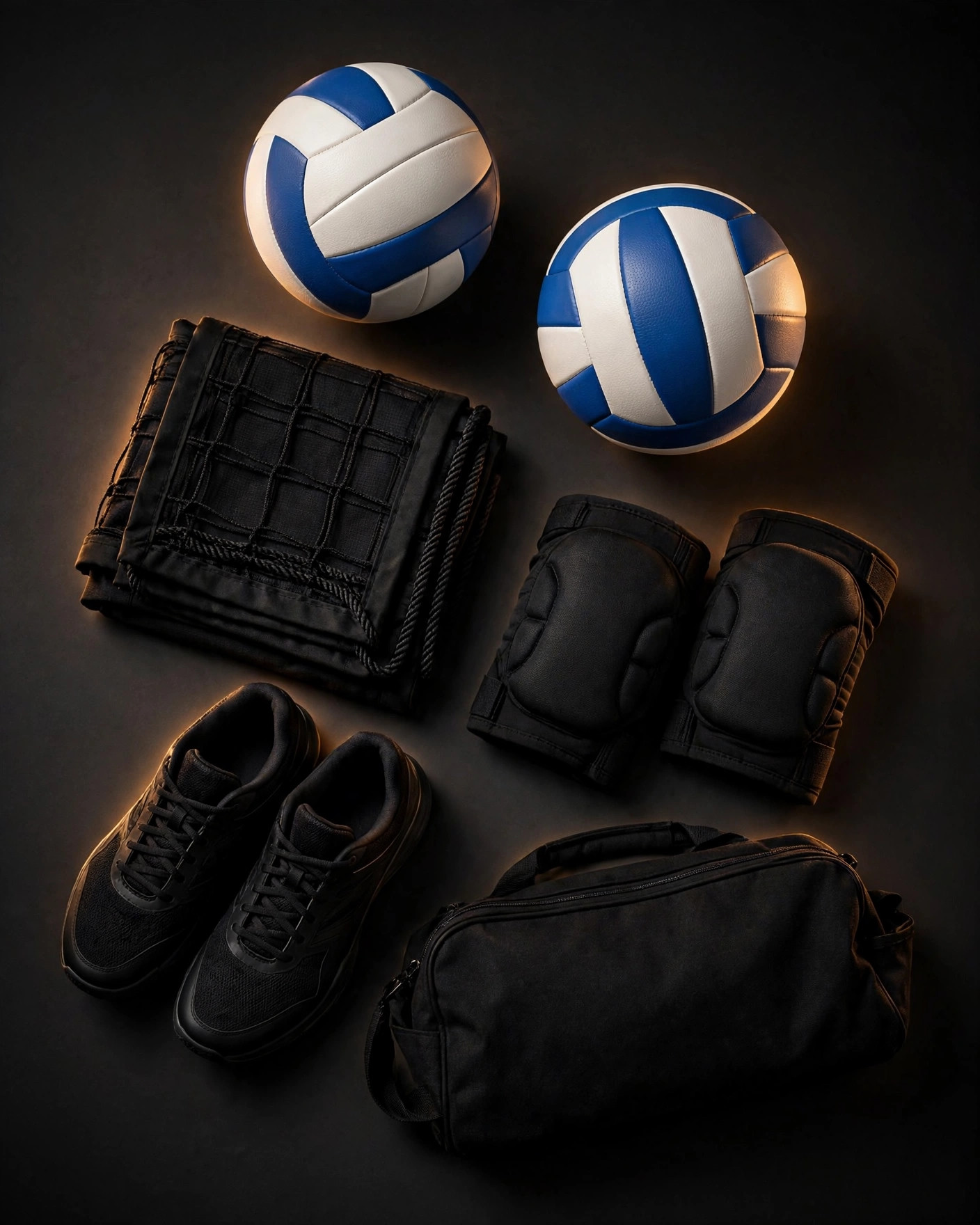

Volleyball is a game of short, explosive movements: a jump to block, a dive to save the ball, a quick shuffle to cover the court. The shoes you wear decide how fast you move, how hard you land, and whether you stay on your feet. Regular running shoes are built to move you forward in a straight line; volleyball shoes are built for the sideways jumps and sudden stops that happen on every rally. Here is how to choose volleyball shoes in Brampton and the GTA.
Why Volleyball Shoes Are Different
A volleyball player changes direction dozens of times in a single rally, jumps straight up to spike or block, and lands on a hard indoor court. Volleyball shoes are designed for exactly that: a low, stable profile that keeps you close to the floor, a grippy outsole for lateral movement, and cushioning that absorbs the shock of repeated landings. If you play in running shoes, you will feel the difference in your knees and ankles within a few games — and you risk slipping on a polished gym floor. For anyone playing regularly in Brampton or across the GTA, proper court shoes are the first piece of gear worth getting right.
Grip: The Non-Marking Sole
The single most important feature of an indoor volleyball shoe is its outsole. Look for a gum-rubber, non-marking sole with a grippy tread pattern — it grips polished wooden and synthetic gym floors without leaving black marks, which is why most Brampton community centres and school gyms require non-marking shoes. A good sole stops you on a dime when you shuffle sideways and holds when you plant your foot to jump. Before you buy, press the sole with your thumb: it should feel tacky and flexible, not hard and slick. Worn, smooth soles are the most common cause of slips on court.
Cushioning for Jumpers
Volleyball players jump more than almost any other indoor athletes, and every landing sends shock through your knees and lower back. Look for cushioning in the forefoot and heel — gel, foam, or air units built into the midsole — that softens landings without making the shoe feel wobbly. Hitters and blockers, who jump the most, should prioritise heel cushioning. Liberos and defensive players, who stay low and move laterally, need a shoe that stays responsive and close to the floor. Try the shoe on and do a few small jumps in the store: your landings should feel soft, not jarring.
Ankle Support and Stability
Volleyball landings are not always clean — you come down on another player's foot, or land off-balance after a block. A shoe with a snug heel counter and a stable, wide base helps keep your ankle supported when you land awkwardly. Mid-cut shoes give a little extra ankle coverage, while low-cut shoes are lighter and quicker for players who prefer freedom of movement. Either way, the shoe should lock your heel in place with no slipping when you lace it up. If your heel lifts when you walk, the fit is wrong, whatever the size says.
Fit and Sizing
Volleyball shoes should fit snugly, with about a thumb's width of space in front of your longest toe. Your foot swells during a match, so try shoes on later in the day and wear the socks you play in. Lace them fully and walk, shuffle sideways, and jump — the shoe should feel like an extension of your foot, not a loose box. If you play twice a week or more, expect a pair to last one season of regular indoor play; rotate two pairs if you play in a league and train as well. And remember that volleyball shoes are sized like running shoes, so your usual athletic shoe size is the right starting point.
Indoor vs Outdoor Shoes
Most volleyball in the GTA is played indoors, and indoor court shoes are built for gym floors. If you also play beach or outdoor volleyball in the summer, do not wear your indoor shoes outside — rough outdoor surfaces wear the gum-rubber sole down fast, and sand and grit get into the tread. Keep a separate pair for outdoor play, or wear a cheaper training shoe for beach games and save your indoor pair for the gym. The same rule applies in reverse: outdoor shoes with deep tread will not grip a polished gym floor properly.
What to Check Before You Buy
Before you pay, run through a quick checklist. Check the sole is non-marking — rub it on a clean floor and look for marks. Bend the shoe: it should flex at the ball of the foot, not in the middle. Check the heel counter is firm and the laces hold your foot without pressure points. Look at the weight — lighter shoes are faster, but very light shoes can skimp on cushioning. And buy from a sports store that stocks volleyball gear together, so you can match your shoes with the right ball, like the Nivia Spikester volleyball at $25 CAD, and check the fit properly before you leave the store.
Where to Buy Volleyball Shoes in Brampton & the GTA
FIPCO Suppliers stocks volleyball gear for players, clubs, and schools in Brampton and across the GTA — volleyballs, training gear, and court essentials, all in one shop. Come in, try the gear, and take it home the same day.
FIPCO Suppliers, Dockside Court, Brampton. Phone: 647-573-0547. Open daily 10:00 AM – 9:30 PM. Visit Thefipco.com. Please plan to arrive half an hour before pickup so your items can be prepared.
← Back to Blog